British wildlife watchers engage with Signs of Spring survey
Date: 11 Aug 2026
More citizen scientists and wildlife watchers across Britain are getting involved with key research designed to monitor climate changes and encourage people to engage with nature.
In 2024, the Royal Society of Biology (RSB) and Field Studies Council (FSC) launched the Signs of Spring survey – an annual initiative which encourages the public to look out for and record 10 easily recognisable indicators of spring, from bluebells to bumblebees.
2026 findings
Results from the 2026 survey, which ran from December 2025 to June 2026, saw a significant upturn in the number of citizen scientists getting out in nature compared to 2025. A newly published report revealed more than 3,100 observations were made from people across the UK – a 62.4% increase compared with the previous year.
The 10 signs tracked were: bluebells, bumblebees, butterflies, daffodils, damselflies/dragonflies, first cut of the lawn, frogspawn, hazel catkins, ladybirds, and snowdrops.
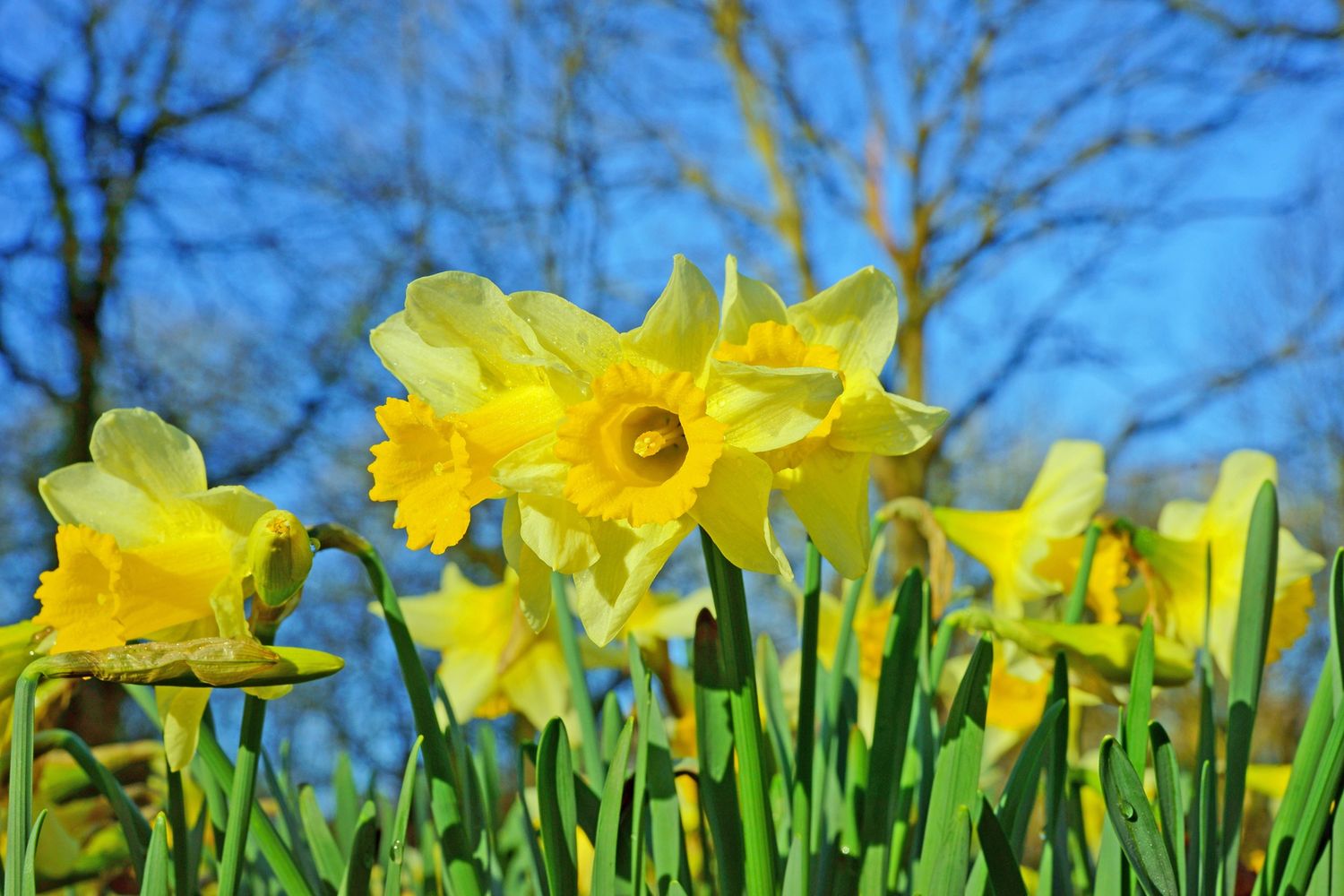
For the third year running, flowers dominated the survey, making up almost 72% of reports. Daffodils were the most reported sign with over 900 sightings, and snowdrops were close behind with over 880 records. Together, these two flowers accounted for more than half of all observations submitted in 2026.

Figures have also shown an increase in the number of people of working age taking part in the survey, with the number of participants aged between 25-34 and 35-44 having more than doubled.
Survey organisers comment on results
The RSB's Director of External Affairs, Dr Arianne Matlin FRSB, said: "It's really encouraging to see such an increase in engagement in this year's Signs of Spring survey. Having the public log nature sightings is hugely beneficial for promoting understanding of nature's cycles across the UK. It's also a great way for people to get outside and learn more about what's emerging around them."
FSC's Biodiversity Senior Learning Development Officer, Dan Asaw, said: "The project aims to generate scientific observations that support research into climate and biodiversity change, and to improve public health and wellbeing by connecting people with nature. We have received more high quality data this year and it only helps us to understand the seasonal shifts more."
The RSB and FSC thank everyone for taking part and contributing to the survey.